

Spondylitis: Regaining Flexibility and Strength Through Focused Physiotherapy
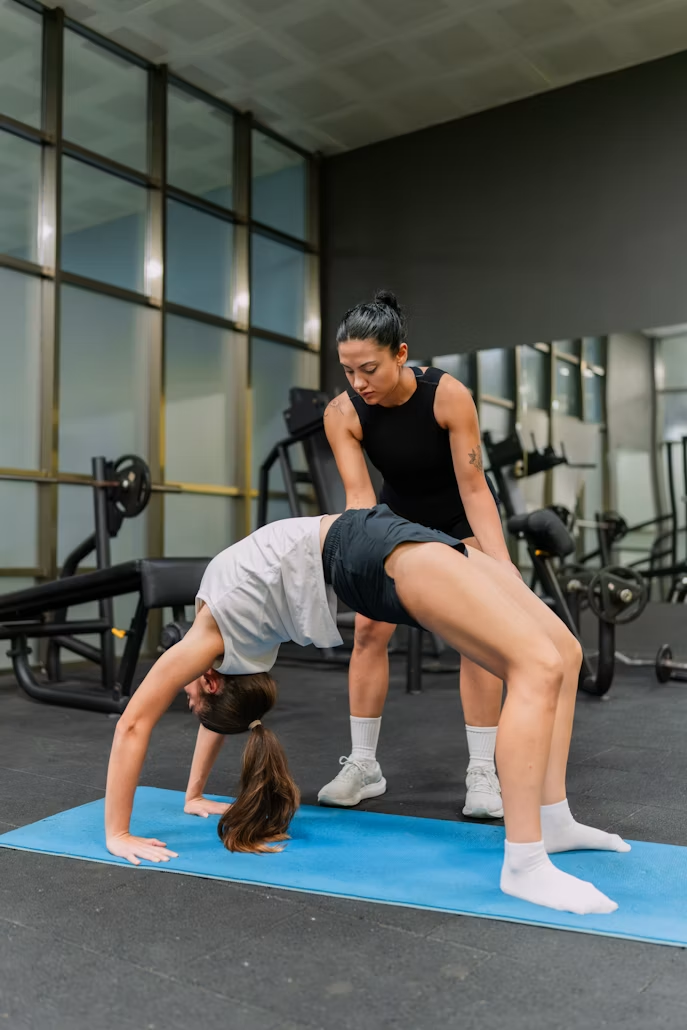
At our clinic, we specialize in providing compassionate, personalized physiotherapy for individuals living with spondylitis. Spondylitis, a type of inflammatory arthritis affecting the spine, can cause stiffness, pain, and reduced mobility. Through a blend of hands-on techniques, tailored exercises, and education, we help our clients regain strength, flexibility, and confidence. I’ve worked with countless patients over the past 17 years, and I’ve seen firsthand how small, consistent steps can lead to big improvements. When it comes to treating spondylitis, we focus on reducing inflammation, easing pain, and improving posture. I guide my patients through gentle stretching routines that open up the chest and lower back, which is crucial because stiffness in these areas often affects daily life. I also incorporate core-strengthening exercises, which support the spine and reduce strain. Beyond just physical exercises, I educate patients on daily habits—like mindful posture adjustments or simple ergonomic changes—that can make a real difference.
One of my most memorable cases was a young professional who came to me after months of worsening pain. Together, we built a personalized plan that included stretching, low-impact strengthening, and breathing exercises. Over just a few months, she was able to get back to her regular yoga practice and even started jogging again. These success stories are what inspire me every day and remind me how powerful physiotherapy can be when it’s tailored and consistent. If you or someone you know is struggling with spondylitis, I’m here to help you find lasting relief.
Arthritis: Personalized Physiotherapy for Relief and Movement
When people think of arthritis, they often picture just aching joints or stiffness in the mornings—but the reality goes so much deeper. As a physiotherapist with over 12 years of experience, I’ve seen how arthritis, whether it’s osteoarthritis or rheumatoid arthritis, quietly chips away at quality of life. It’s a complex condition—and that’s exactly why the treatment needs to be just as nuanced.
One woman I worked with, Meera, came to me after her knee pain made simple walks impossible. She was young, active, and never expected arthritis to slow her down. Through a structured program of joint mobilization, aquatic therapy, and guided strength training, she started to reclaim her mobility. I remember that first day she walked without a cane—there was a spark in her eye that reminded me of why I do this.
So, what do we do in an arthritis-focused session? First, we identify which joints are most affected and create a gentle mobility plan, often starting with low-impact exercises like cycling or swimming. We also work on strengthening the muscles around the joints—because strong muscles protect the joints. And, equally important, I teach patients how to pace themselves—avoiding flare-ups by balancing rest and movement.
I always say, arthritis might be a lifelong companion, but it doesn’t have to dictate your daily life. Every person I treat has their own story—and every story matters. By offering realistic exercises, constant encouragement, and practical lifestyle changes, I help people get back to their routines, step by step, with confidence.
Paralysis: Rebuilding Strength and Independence Through Tailored Physiotherapy
When someone hears the word “paralysis,” it often conjures up fear—the loss of movement, the uncertainty of recovery. As a physiotherapist with over a decade of hands-on practice, I’ve walked alongside many individuals on this path—people like Raj, a young father who, after a stroke, lost function in his right side. But his story is one of hope, and it shows how physiotherapy can be a lifeline.
In Raj’s case, we started with small, intentional movements—wrist flexes, ankle rolls—all supported by careful assistance from me. We didn’t rush; we focused on repetition, muscle re-education, and neuroplasticity—our goal was to rewire his brain to reconnect with his body. Step by step, Raj regained control of his fingers, and eventually, he was able to balance himself while standing. This wasn’t just physical—it was emotional, too. Every small gain gave him the strength to dream bigger.
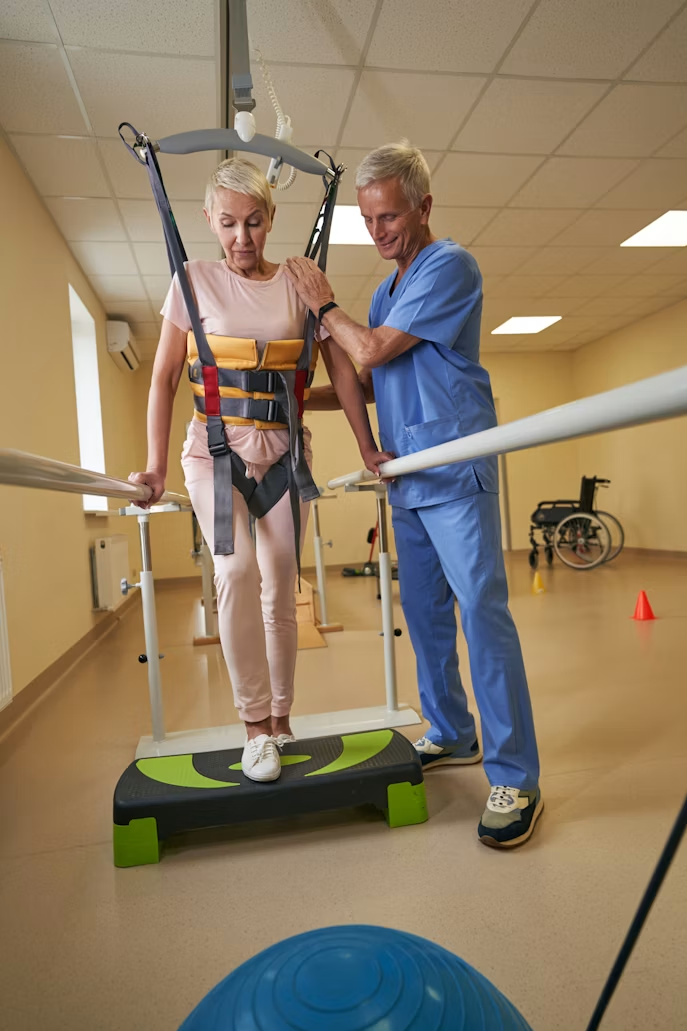
Our approach with paralysis is always holistic. We begin by assessing the severity and location of the paralysis—whether it’s due to a stroke, spinal cord injury, or nerve damage. Then, we create a tailored rehab plan: we incorporate assisted walking exercises, balance training, and functional tasks like reaching or grasping. And because every person’s journey is unique, we constantly adjust—celebrating every gain, however small.
One of the most powerful aspects of my work is seeing people like Asha, a retired teacher, who after a spinal injury, thought she’d never walk again. Through daily practice—guided by me, with support from a specialized brace—we worked on balance and coordination. Today, she walks with minimal assistance, and her resilience reminds me every day why I do what I do. Paralysis doesn’t define you—your determination, your progress, does.
Neuro Problems: Empowering Recovery with Personalized Neuro-Physiotherapy
When we talk about neuro problems—things like Parkinson’s, multiple sclerosis, or traumatic brain injuries—it’s not just about physical symptoms; it’s about reclaiming agency in everyday life. As a physiotherapist with years of work alongside neurologists and neurologic rehab teams, I’ve seen how small, consistent progress can lead to powerful transformations. I want to share one story, a patient I worked with named Arjun, and how we brought hope back into his daily routine.
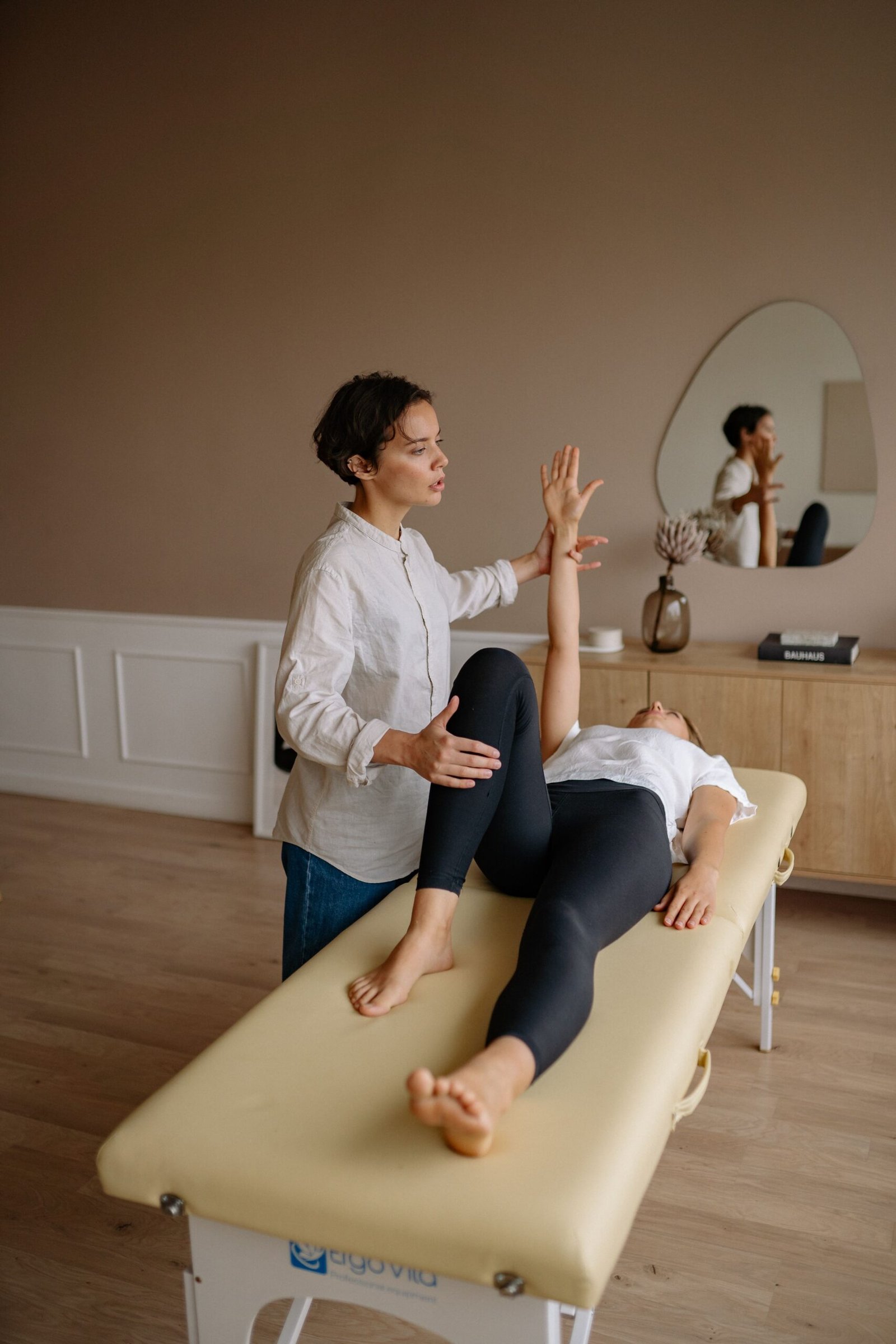
Arjun, a software engineer in his early 40s, was diagnosed with early-stage Parkinson’s after months of unexplained tremors. When he came to me, he felt like his world was shrinking—simple tasks like typing or holding a cup were becoming battles. We started with neuro-focused physiotherapy—targeted exercises to improve coordination, balance, and strength. We used rhythmic auditory cues to help with gait, and mirror therapy to engage his motor pathways. Over several months, I watched him grow more confident. He started leading meetings again, and he even returned to his morning jogs—something he thought was gone forever.
In neuro-physiotherapy, we don’t just focus on the body; we work with the brain. We teach neuroplasticity—how the brain can form new connections, even after injury or disease. We introduce dual-task training—walking while counting, for instance—so the brain learns to multitask again. It’s about balance, but also creativity—finding new ways to connect mind and movement. One of the most inspiring cases was Sita, a young artist whose world changed after a car accident left her with cognitive and motor delays. Through neuro-rehabilitation, we combined movement with creativity—painting while seated, then gradually standing. I saw her once-strained hand gain fluidity, and her spark for life return. Neuro problems may be daunting, but I believe that with the right support, every person can rediscover possibility—and I’m here to walk that road with them.

Knee Problems: Restoring Mobility and Confidence with Targeted Physiotherapy
Knee pain is one of the most common reasons people come to my clinic, and as a physiotherapist with over a decade of experience, I know how crippling knee problems can be. Whether it’s from a sports injury, arthritis, or just wear and tear over time, the knees are the foundation of so many of our daily movements. I remember one particular case—Ravi, a high school basketball coach—who thought he’d have to quit the game he loved because of his aching knees. But his journey shows what’s possible with the right approach.
When Ravi first came to me, he was struggling to walk after practice, and the pain was sharp right below his kneecap. We started with a full assessment—looking at his gait, his alignment, and his core strength. Often, knee pain isn’t just about the joint; it’s about surrounding muscles being weak or imbalanced. So, we focused on building up his quadriceps, his glutes, and his hamstrings—all while ensuring his form was perfect. I also introduced him to low-impact strength training and flexibility work, so he could keep active without aggravating his joints.
One of my proudest moments was seeing Ravi return to the court—not just with less pain, but with a confidence he hadn’t felt in years. And it wasn’t just about basketball—he could play with his kids again, go on hikes, and enjoy the simple freedom of movement. Knee problems can feel like a dead end, but with personalized physiotherapy, they’re just a detour. My job is to help you navigate that detour—step by step—so you can get back to the life you love.
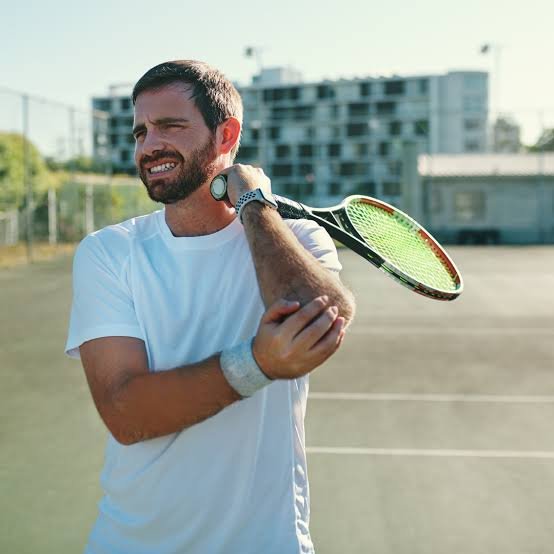
At the heart of Riya Jana’s practice is a deep commitment to personalized care. If you’re struggling with persistent neck pain, a frozen shoulder, tennis or golf elbow, or chronic lower back pain, you’re not alone. Many patients come to Ria after trying other treatments without relief. With specialized physiotherapy and gentle yoga practices, she designs a unique recovery plan just for you.
Take, for example, a knee pain that keeps you from your daily walk or a nerve issue that shoots discomfort down your leg. Ria uses a blend of hands-on techniques and targeted stretches to restore mobility and strength. Every session is a step toward freedom from pain.
We understand life doesn’t pause for discomfort. That’s why Ria offers flexible home visits and free consultations. If you’re ready to take the first step toward a pain-free life, we’re here for you. Let’s work together to get you moving comfortably again.

NECK PAIN

FROZEN SHOULDER
TENNIS GOLF ELBOW